
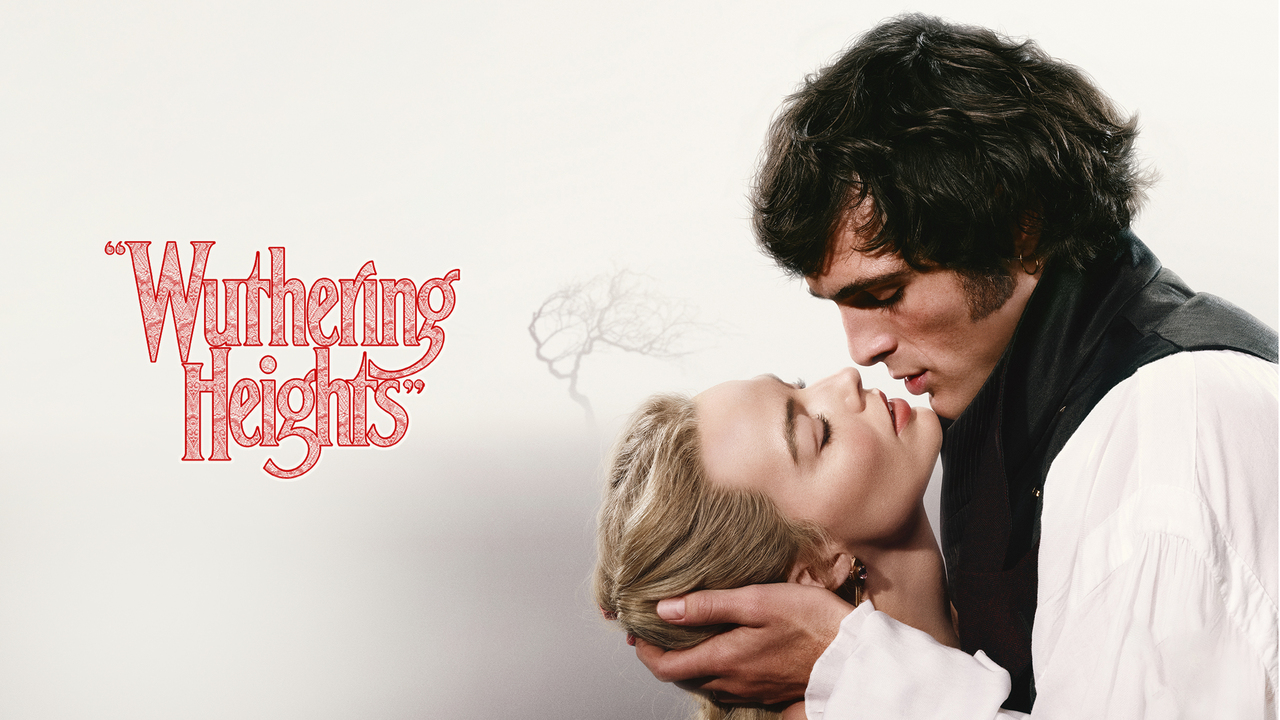
The 2026 adaptation of Wuthering Heights, directed by Emerald Fennell, brings a bold and modern edge to Emily Brontë’s timeless novel. Known for her distinctive storytelling style, Fennell reimagines the gothic romance with heightened emotion, striking visuals, and a focus on the raw intensity of its central relationship.
This version has quickly become one of the most talked-about films of the year—not just for its star power, but for the strong reactions it has sparked among critics and audiences.
A Story of Passion, Obsession, and Tragedy
At its heart, Wuthering Heights remains a story about the turbulent relationship between Catherine Earnshaw and Heathcliff. Set on the windswept Yorkshire moors, the film explores a love that is both deeply passionate and ultimately destructive.
Heathcliff, an orphan taken in by the Earnshaw family, forms a powerful bond with Catherine. As they grow older, their connection becomes increasingly complicated, shaped by class divisions, jealousy, and emotional conflict. When Catherine chooses to marry Edgar Linton, the consequences set off a chain of events marked by heartbreak and revenge.
The 2026 film focuses heavily on the emotional and psychological intensity of this relationship, streamlining the broader narrative of the novel to centre on the love story itself.
Cast and Performances
The film is led by a high-profile cast that has drawn significant attention:
Margot Robbie as Catherine Earnshaw
Jacob Elordi as Heathcliff
Their performances are widely regarded as the film’s strongest element. Robbie brings a fierce, unpredictable energy to Catherine, while Elordi portrays Heathcliff as brooding, magnetic, and deeply conflicted.
Supporting performances also add depth to the story:
Hong Chau as Nelly Dean, the story’s narrator and observer
Shazad Latif as Edgar Linton, representing stability and social order
Alison Oliver as Isabella Linton
Martin Clunes as Mr. Earnshaw
Ewan Mitchell as Joseph
The chemistry between the lead actors has been particularly praised, helping to ground the film’s more stylised elements in emotional reality.
Direction and Visual Style
Emerald Fennell’s direction gives Wuthering Heights a distinctive identity. The film leans into a stylised aesthetic, combining traditional period elements with modern cinematic techniques.
The Yorkshire moors are presented as both beautiful and unforgiving, mirroring the emotional landscape of the characters. Cinematography plays a key role, using dramatic lighting and sweeping landscapes to create a sense of atmosphere and isolation.
The film also embraces a heightened tone, with intense performances and bold visual choices that set it apart from more conventional adaptations.
Critical Reception: Ambitious but Divisive
Wuthering Heights (2026) has received mixed reviews, with critics divided over its approach.
Many have praised:
The film’s visual style and atmosphere
Strong performances from the lead cast
Its willingness to take creative risks
However, criticism has centred on:
A perceived lack of depth compared to the original novel
A focus on style over substance
Changes to the narrative structure
Some critics feel that while the film captures the passion of the story, it doesn’t fully explore its complexity. Others argue that its bold interpretation brings a fresh perspective to a well-known tale.
Box Office and Audience Response
Despite the mixed critical response, Wuthering Heights has performed strongly at the box office. Its combination of star power, striking visuals, and a well-known source material has drawn significant audiences, particularly in the UK.
Audience reactions have been just as divided as the reviews. Some viewers appreciate the film’s modern approach and emotional intensity, while others prefer more traditional adaptations of the novel.
Themes: Love, Class, and Revenge
The film retains the novel’s central themes:
The destructive nature of obsessive love
The impact of social class and inequality
The long-lasting effects of grief and revenge
However, this adaptation places a stronger emphasis on the romantic and emotional elements, sometimes at the expense of the broader social commentary found in the original work.
Final Verdict
Wuthering Heights (2026) is a bold and visually striking adaptation that takes risks with a classic story. While it may not satisfy every fan of the novel, it offers a fresh and memorable interpretation driven by strong performances and a distinctive directorial style.
For audiences open to a modern take on a literary classic, it provides a dramatic and emotionally charged experience. For others, it may feel like a departure from the depth and nuance that made the original story so enduring.
Either way, this Wuthering Heights is impossible to ignore—and proves that even the most familiar stories can still spark new conversations.